
Reference patterns instead of one-off plans
Create reusable patterns for restaurants, hotels, offices, warehouses, headquarters and temporary sites.
a4o.rocks · Rollout Engineering
a4o designs network architectures that bring technical requirements, site realities and long-term operations together – from one hotel to a distributed branch organisation.
a4o designs network architectures that bring technical requirements, site realities and long-term operations together – from one hotel to a distributed branch organisation.
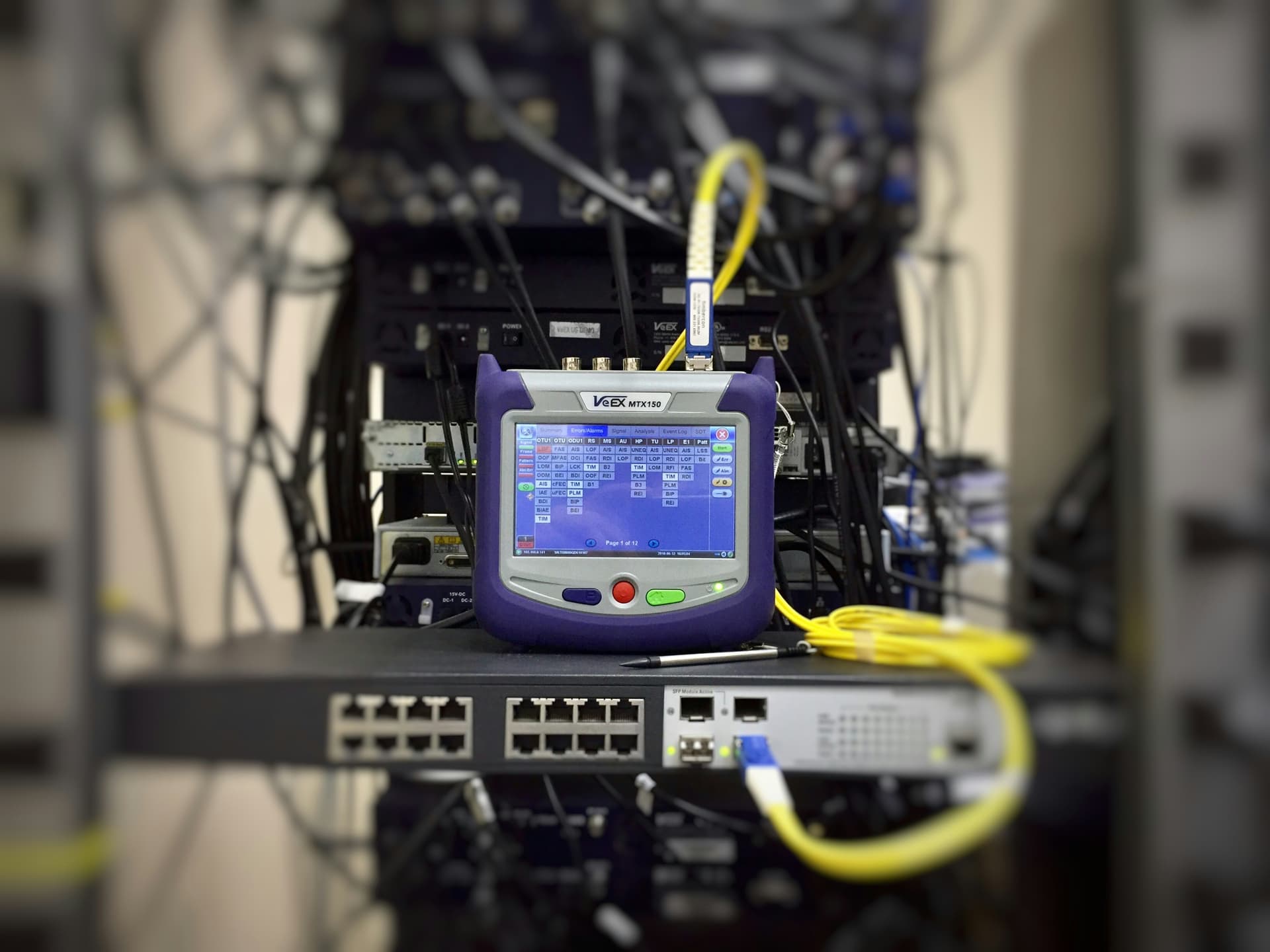


Create reusable patterns for restaurants, hotels, offices, warehouses, headquarters and temporary sites.
Treat providers, internet edge, routing, switching, radio coverage and resilience as one end-to-end path.
Give tills, guests, staff, IoT, signage, management and partners clear security and operating boundaries.
Monitoring, inventory, configuration state, fallback paths, owners and runbooks are part of the architecture.
Robust PoE, separate till and guest zones, simple on-site diagnosis and secure remote access keep the site maintainable.
Radio planning, fibre backbone, guest Wi-Fi, PMS, IPTV, access control and building systems must work consistently across floors and annexes.
Workplaces, voice, meeting rooms, guests, IoT and central services need different profiles, capacity planning and identity integration.
Players and displays need standard segments, predictable bandwidth, central management and tolerance for different providers.
Step 1
Start with the journeys: who uses which service, where, when and with what downtime tolerance?
Step 2
Turn the existing landscape and rollout goals into a small number of clear variants.
Step 3
Make the blueprint, bill of materials, configuration, test cases and fallback plan concrete before wave one.
Step 4
Documentation, monitoring, change processes and ownership turn the plan into a durable operating system.
We turn different sites into a manageable system of reference patterns, rules and clear operational ownership.
Plan your network architecture